UK
Travels throughout the UK.
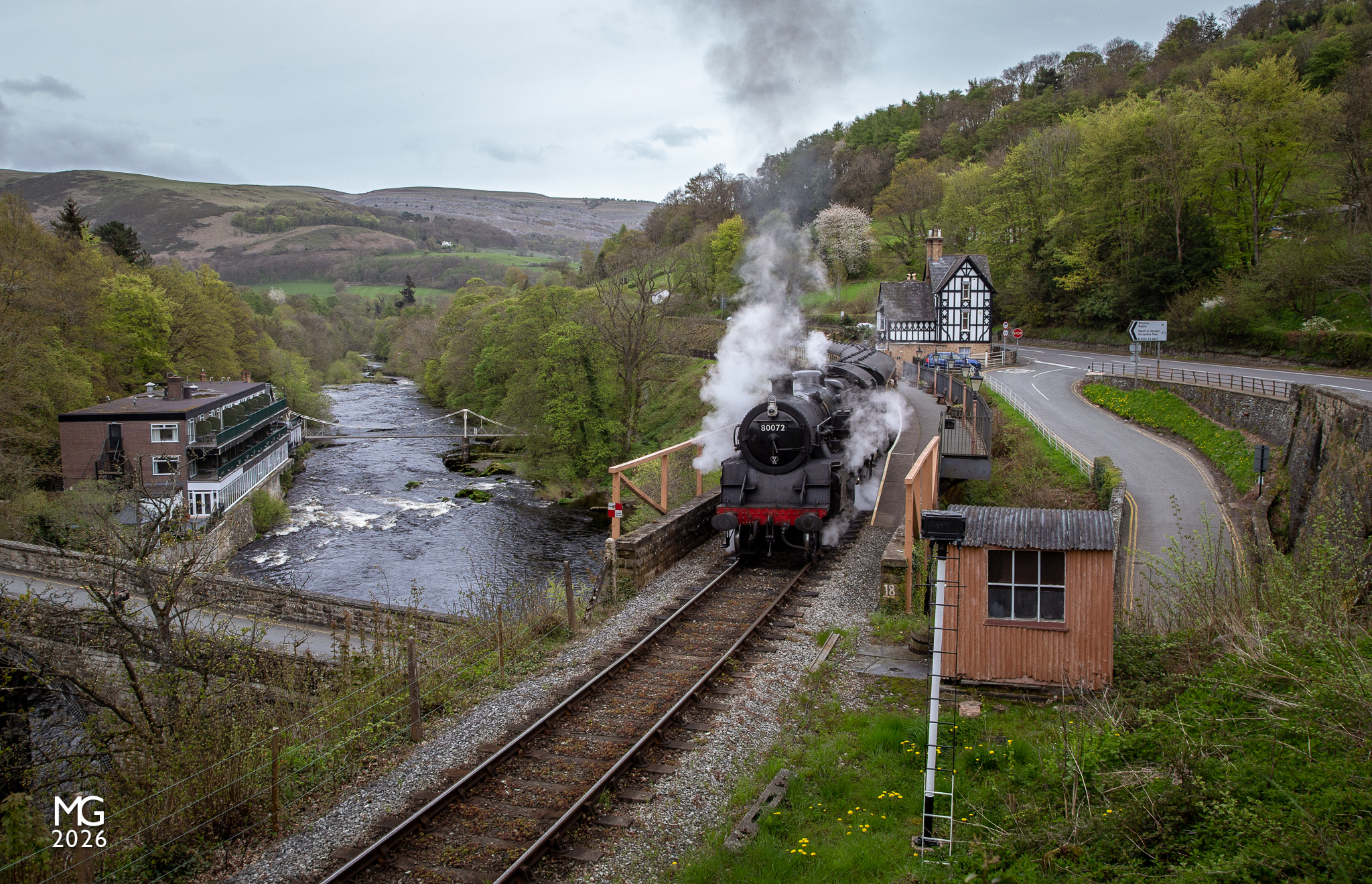
Berwyn Bridges
Hugging the valley formed by the River Dee, the picturesque station of Berwyn extends its platform along the railway viaduct which in turn spans a road viaduct. This site is famous for the Berwyn chain bridge, one of the earliest crossings of the fast flowing River Dee. Situated on the present day Llangollen Railway the station was opened in 1865 as part of the Llangollen and Corwen railway, which later formed part of the larger Ruabon-Barmouth railway. The station fell into disuse in December 1964, before the lines closure in January 1965.
Ascending Aberglaslyn
Ex-South African Railways NG/G16 no. 143 climbs away from Beddgelert back towards Porthmadoc with the first train of the day from Caernarfon. From the outskirts of Beddgelert the railway hugs the side of the Aberglaslyn Pass, with sheer rock cliffs on one side and the Afon Glaslyn on the other, and is arguably one of the most picturesque parts of the Welsh Highland Railway.
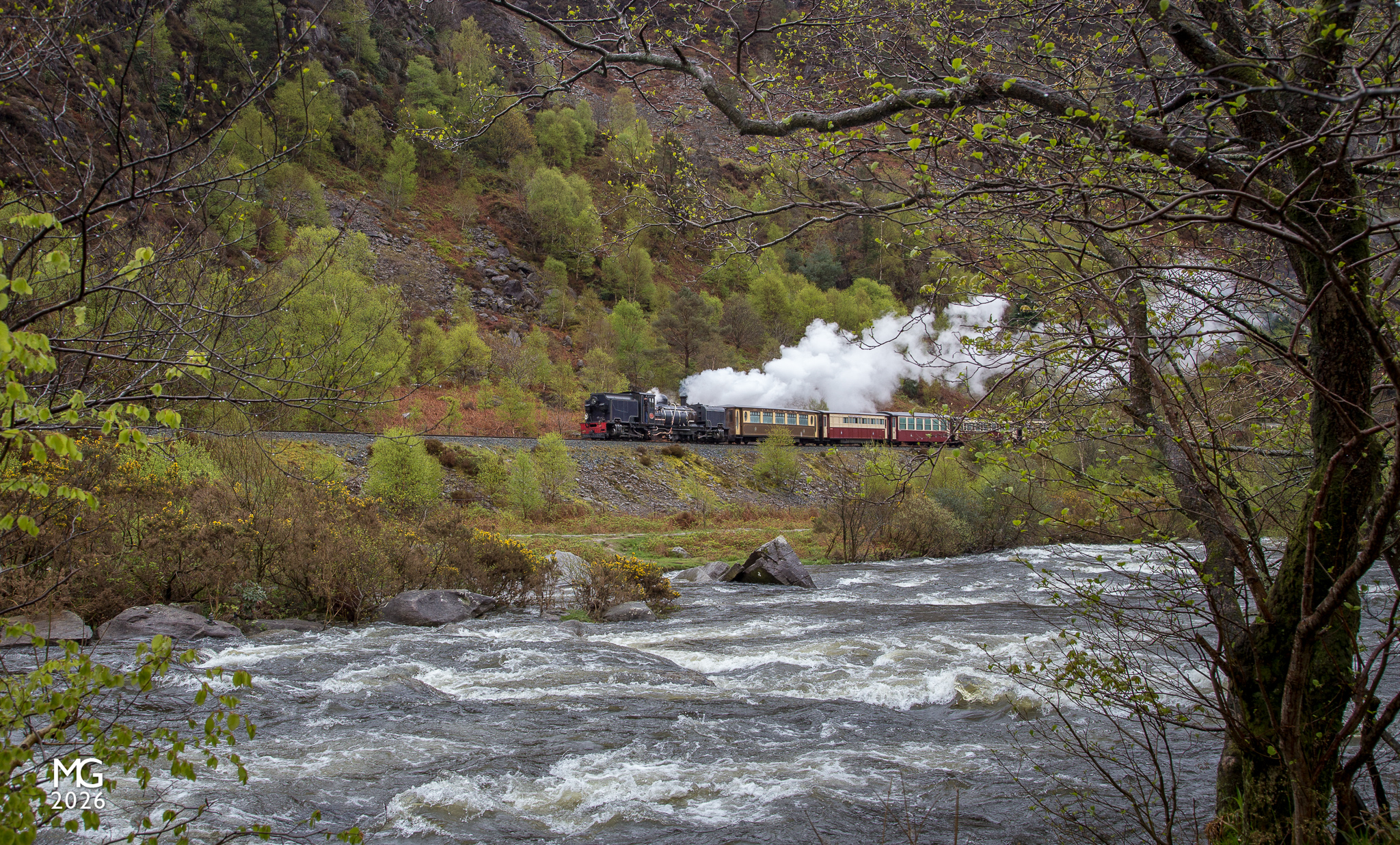
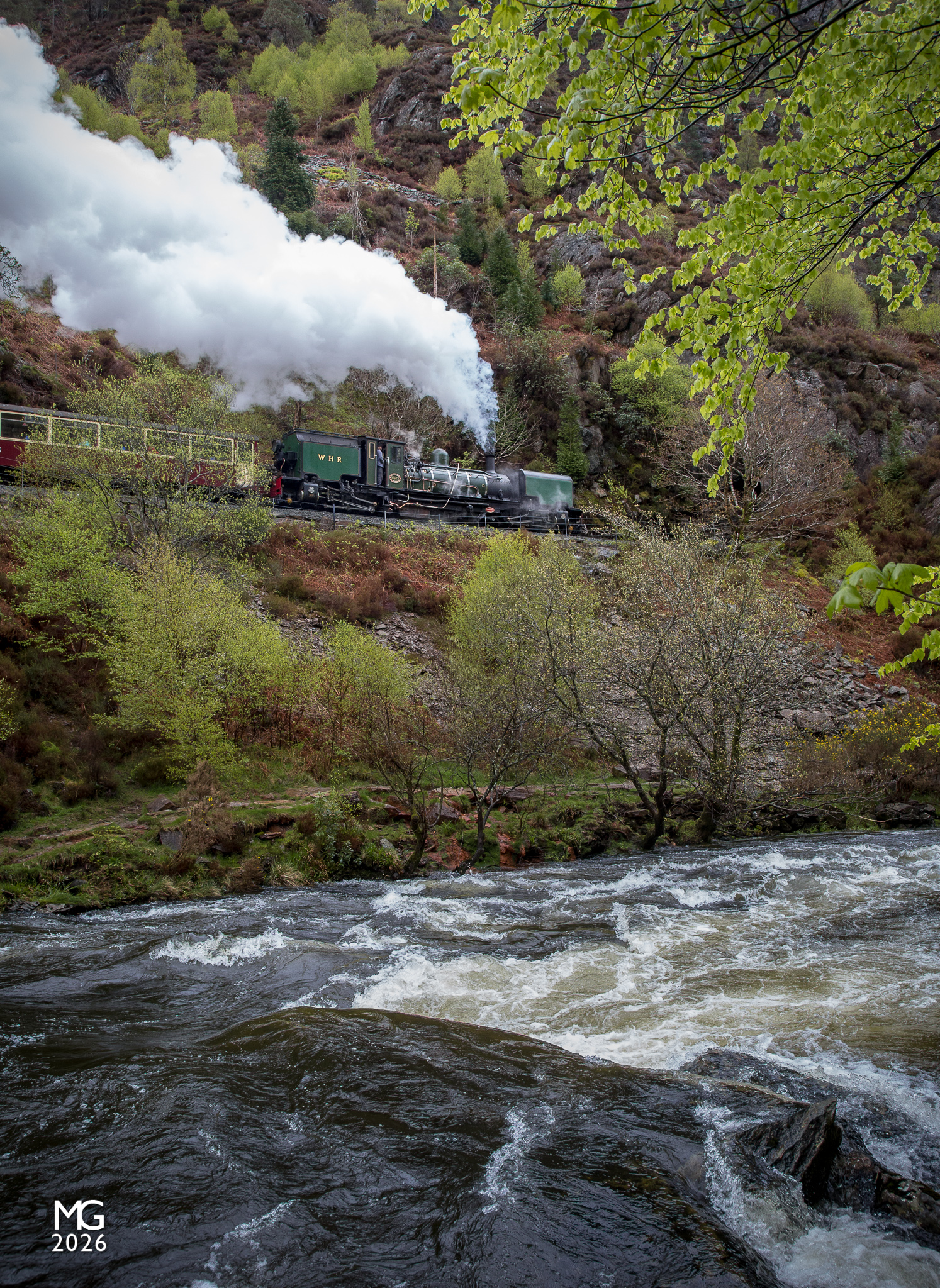
Rumbling Blues
NG/G16 No. 87 slopes downhill through the Aberglaslyn Pass above the Afon Glaslyn, roaring as it carries the night's rain down from the mountains. 87 is heading towards Beddgelert with the day's first train from Porthmadog for Caernarfon.
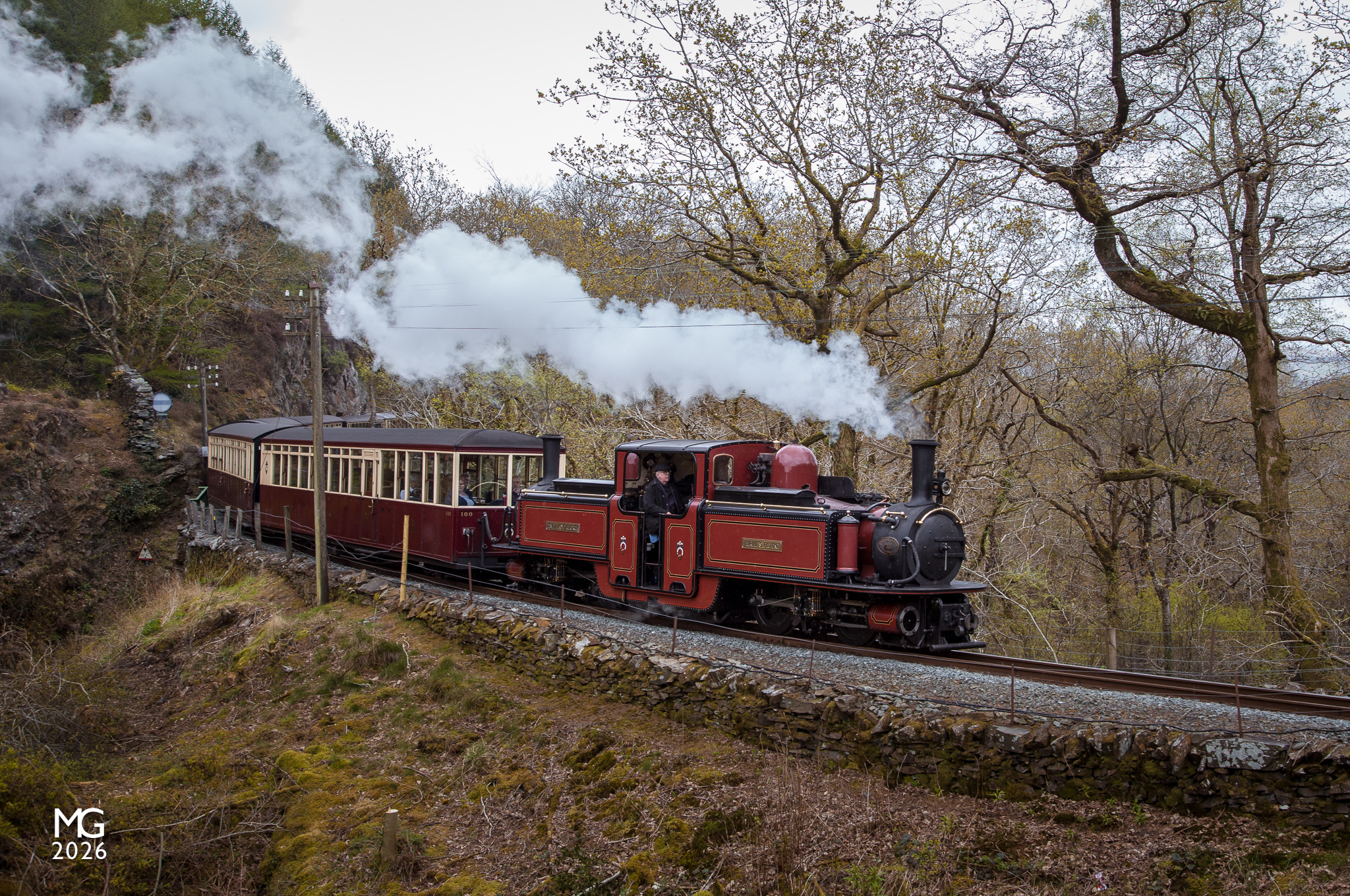
Fairlie's Patent
The development of steam locomotives has seen many strange designs put into service, with the double-Fairlie being one such design. Built to Fairlie's Patent, the locomotive superstructure rests on two articulating power units housing the wheels, cylinders, and drawgear. This design allows large locomotives to navigate the sharp curves typical of most narrow gauge railways. This example, "David Lloyd George" (or "Dafydd Lloyd George" in Welsh) was built brand new in 1992 at the Ffestiniog Railway's workshops at Boston Lodge. Thanks to the way the Ffestiniog Railway was preserved - it is now the worlds oldest surviving railway company, and one of few remaining companies brought into existance by acts of parliament - David Lloyd George can rightfully be considered the sixth double Fairlie class member, and not a replica.
Fairly good Fairlie
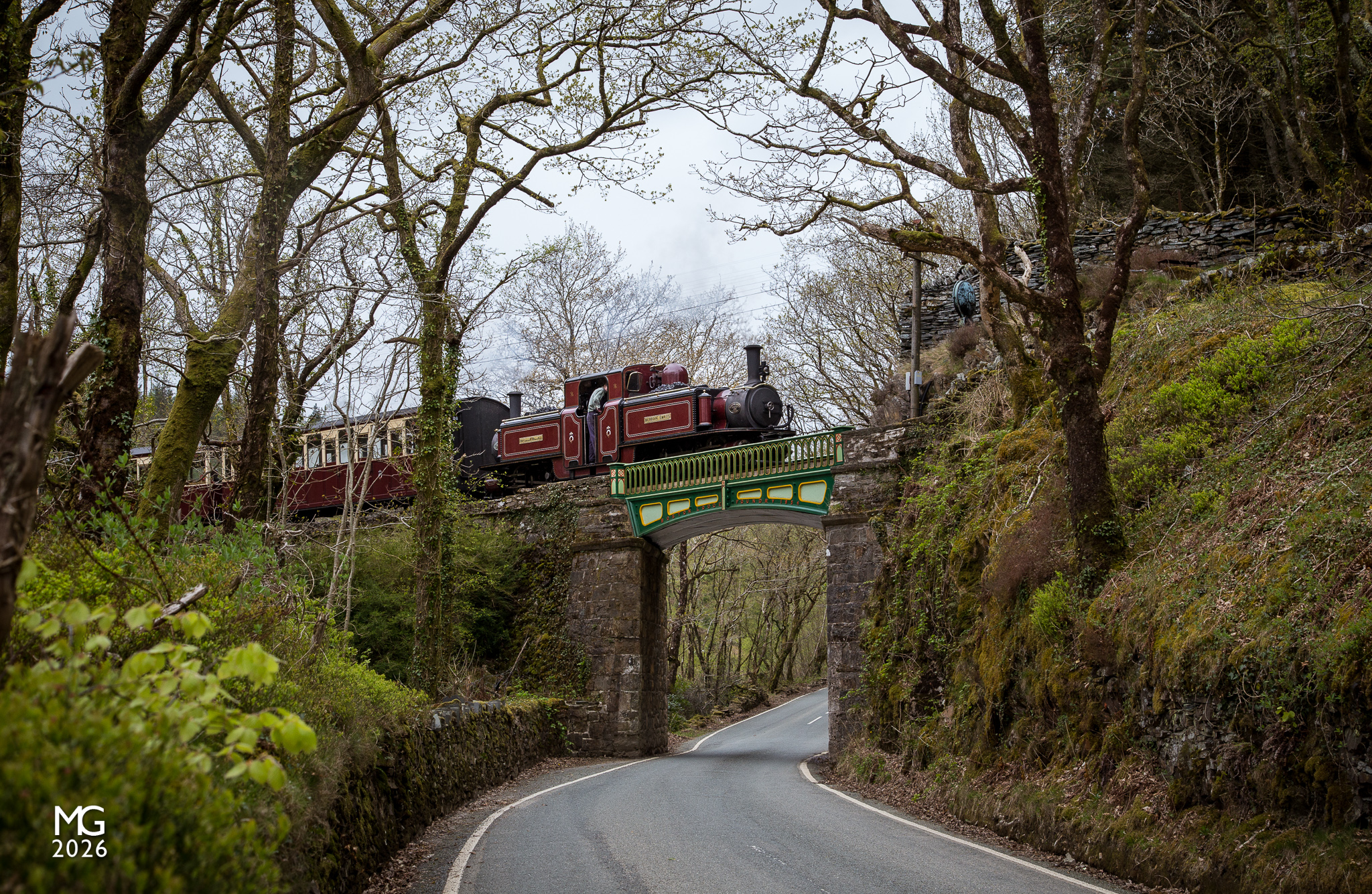
Amongst the trees and moss, one of the Ffestiniog Railway's iconic double-Fairlie locomotives, Merddin Emrys, crosses the iron bridge immediately before Tan-y-Bwlch station with a train from Porthmadog to Blaenau Ffestiniog. The iron bridge was built by the railway's workshops in 1854 - the same workshops that continue to manufacture new carriages and locomotives for the booming tourist railway.
Fierce Climb
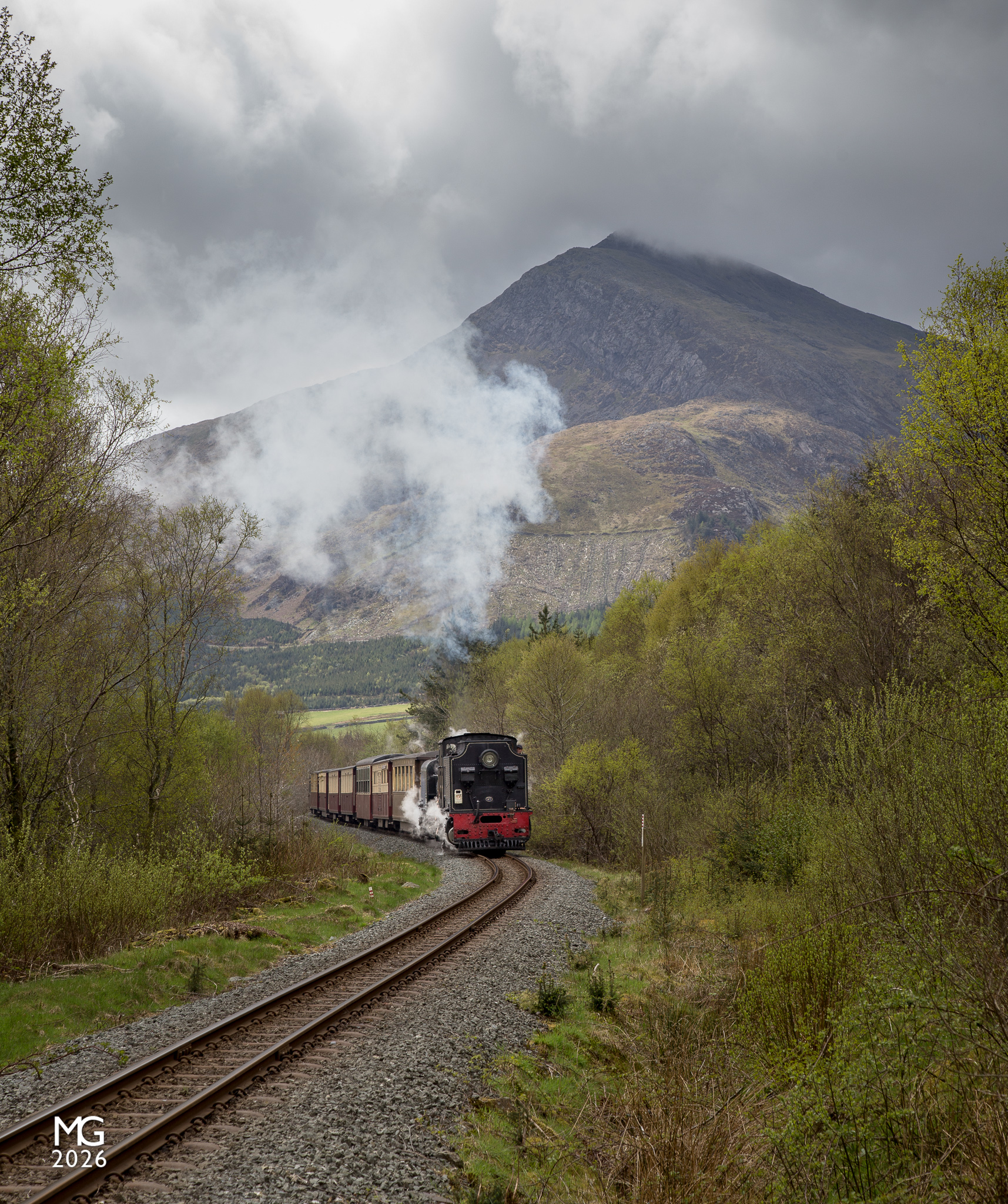
NGG16 no. 87 rumbles uphill from Beddgelert towards Caernarfon on a bitterly cold spring morning as the peak of Moel Hebog disappears into the low cloud.
Berwyn
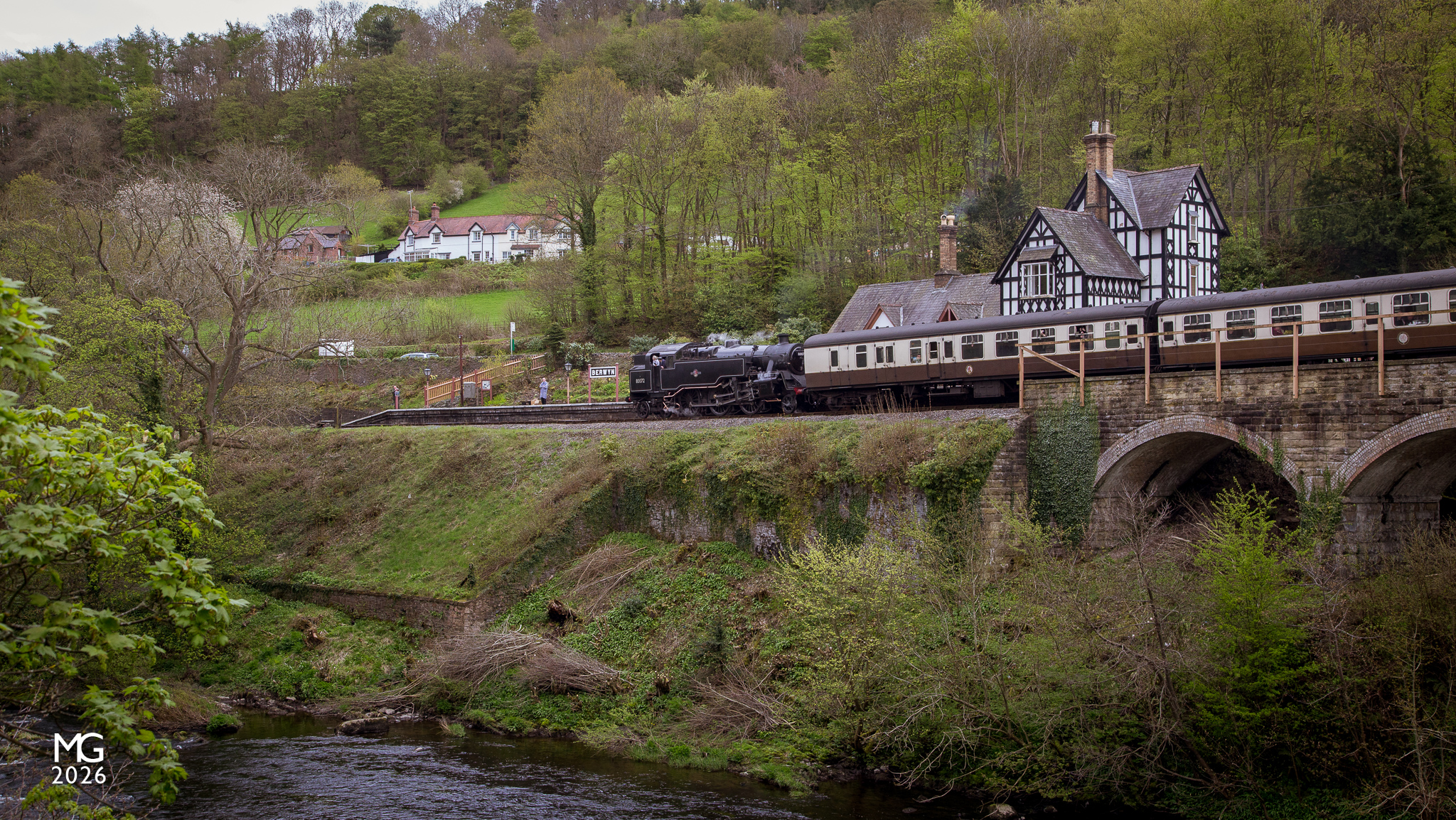
Ex-British Railways no. 80072 eases into the riverside station of Berwyn, on the Llangollen Railway in North Wales.Situated on the present day Llangollen Railway the station was opened in 1865 as part of the Llangollen and Corwen railway, which later formed part of the larger Ruabon-Barmouth railway. The station fell into disuse in December 1964, before the lines closure in January 1965. The famous Chain Bridge is just out-of-shot on the left.
Waiting for departure
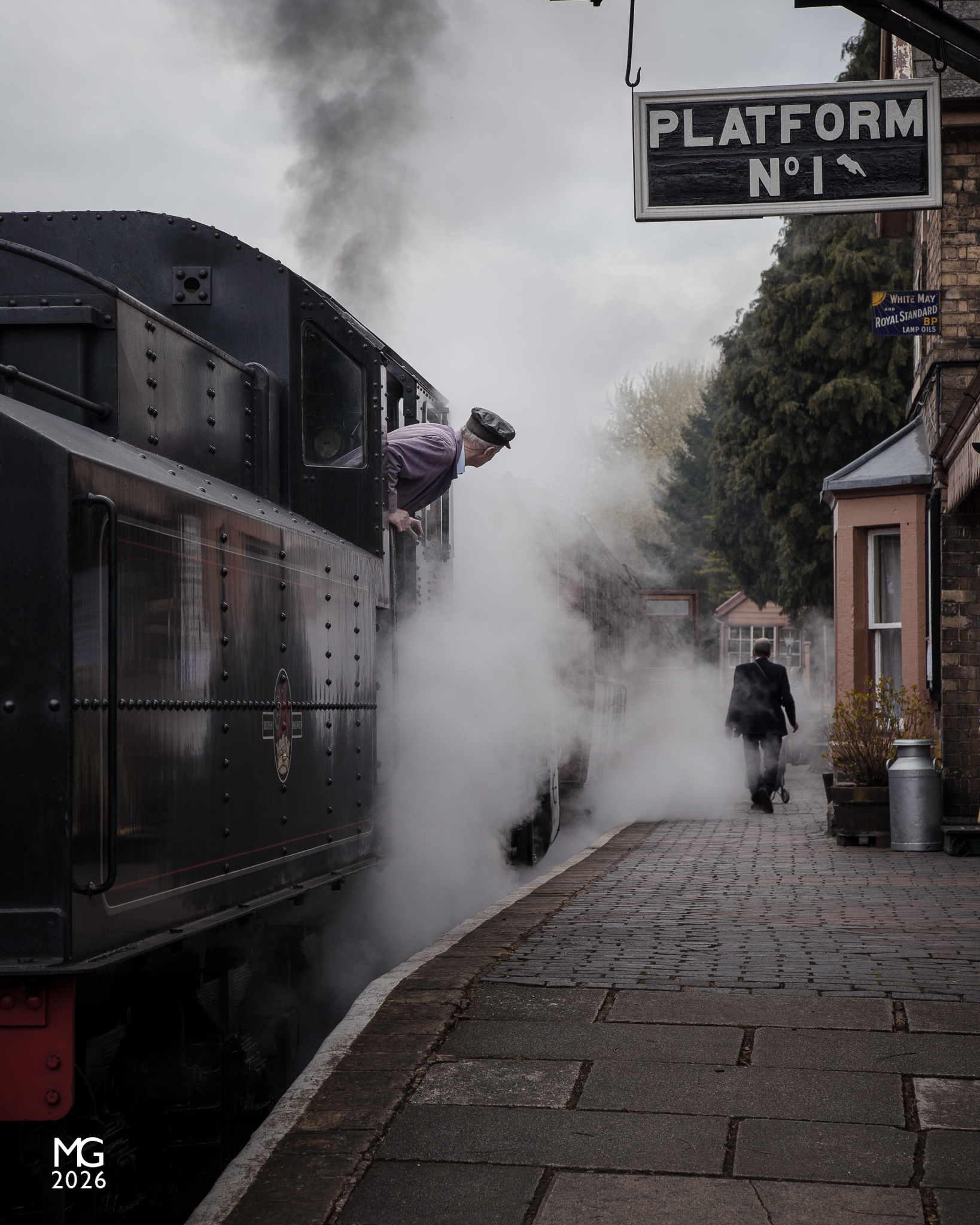
The fireman of the Ivatt Class 4 no. 43106 - the only survivor of a class of 162 locomotives - waits for the guard to check his train before leaving Hampton Loade for Bridgnorth, on the stunning Severn Valley Railway in England's West Midlands.
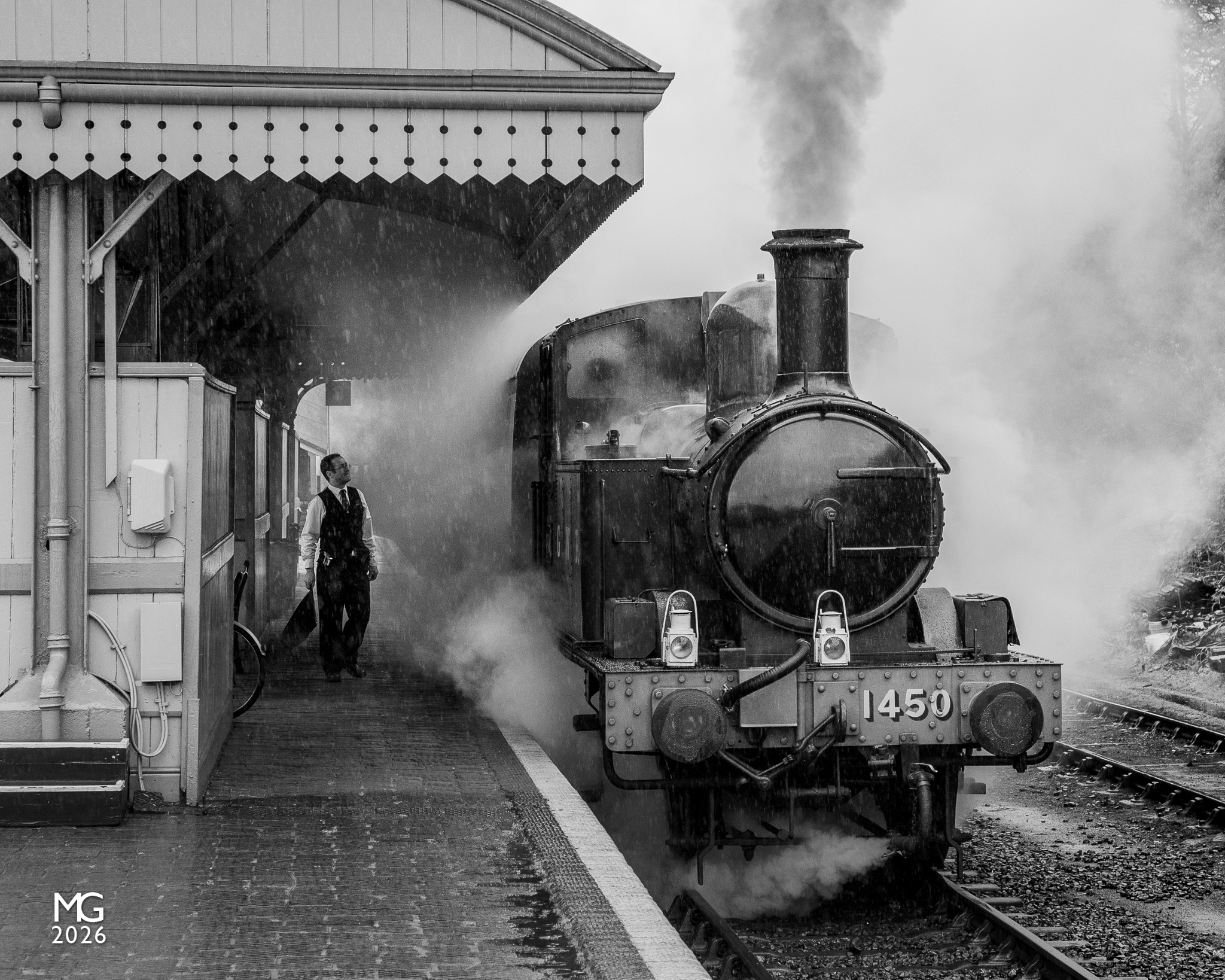
Impressed
The guard of 1450's single-carriage train has a quick chat with the loco crew shortly before departing for Kidderminster.
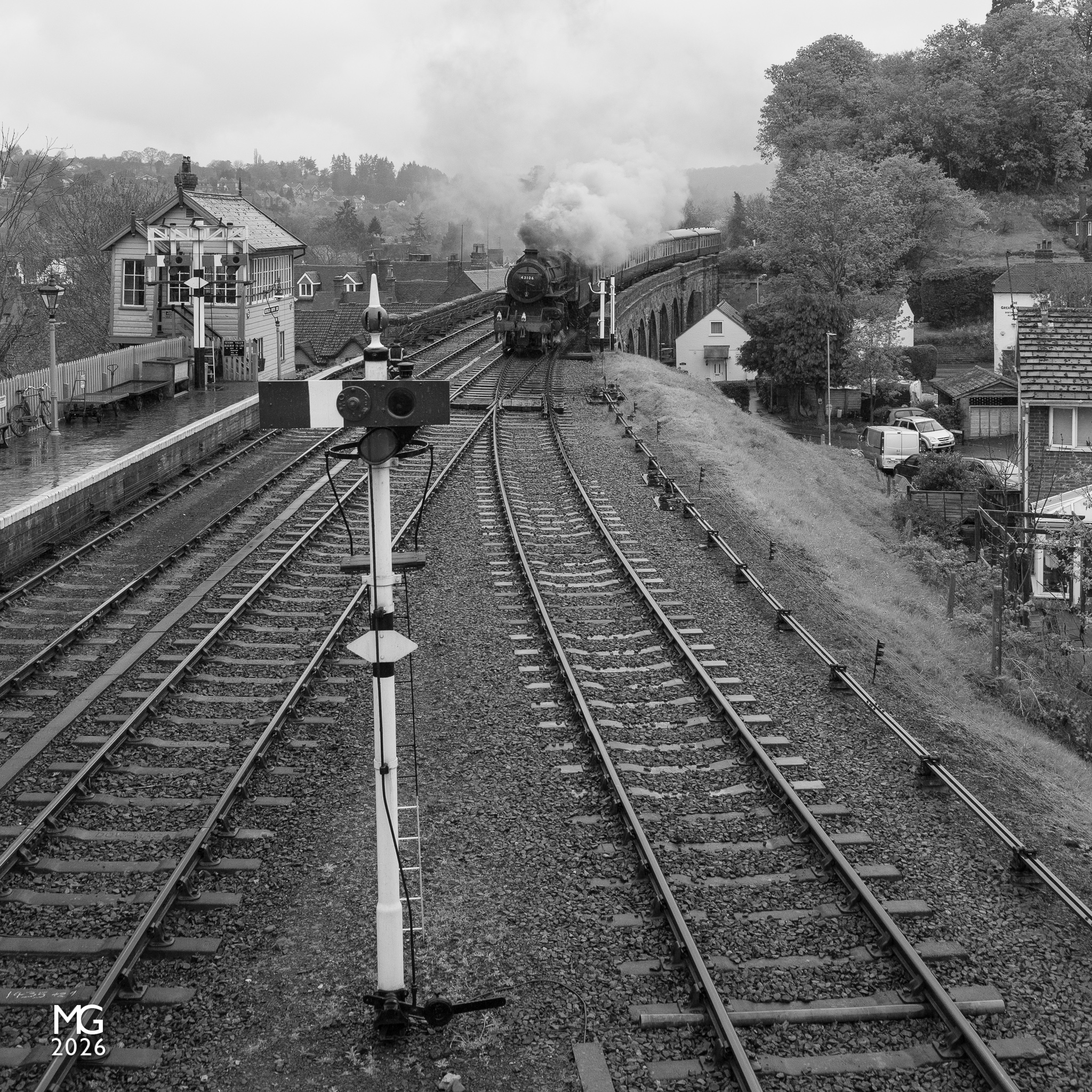
Arrival at Bewdley
Ex-LMS no. 43106 arrives at Bewdley station on a grim April morning in 2018 with a train from Bridgnorth to Kidderminster.
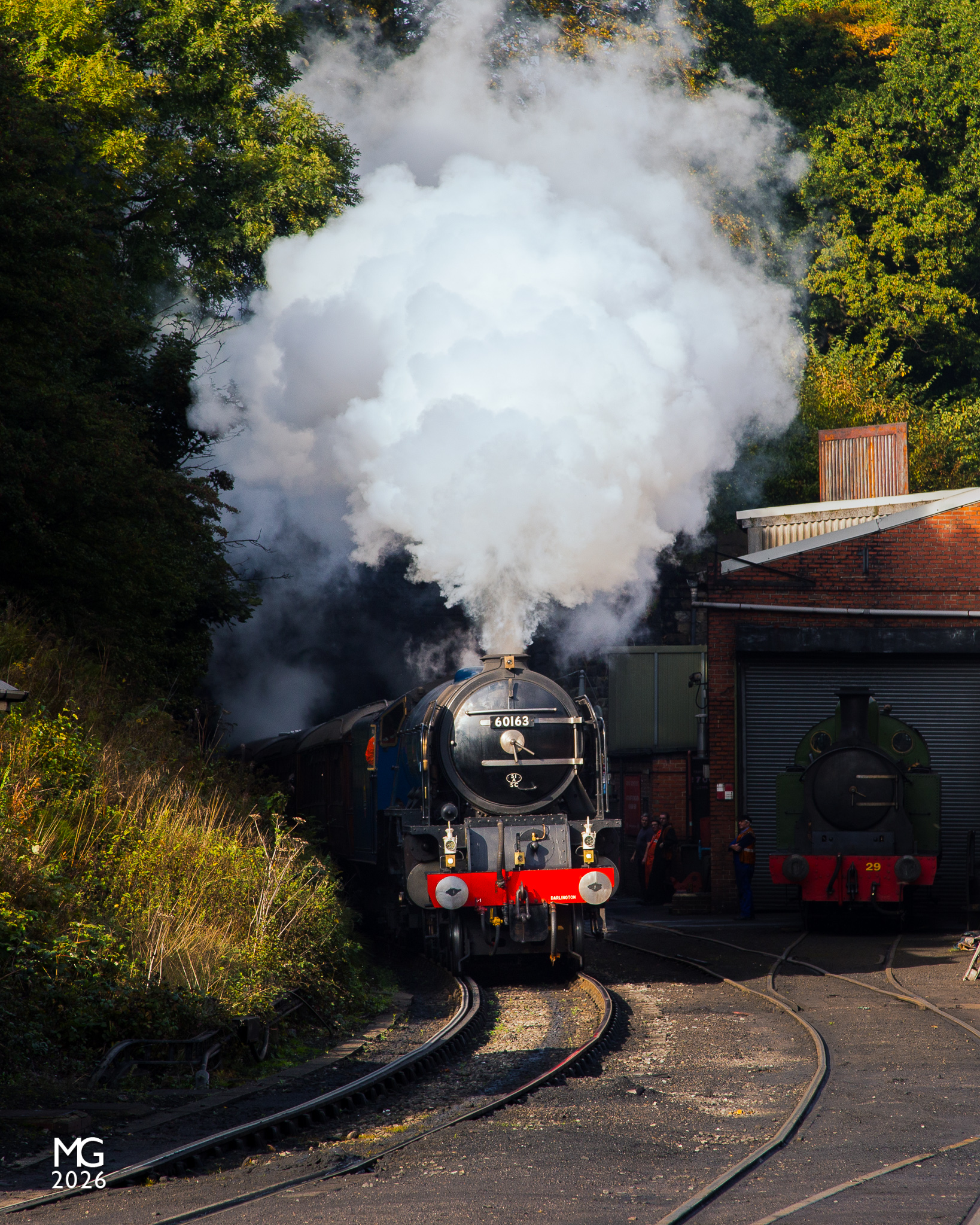
Peppercorn
60163 exits the tunnel at Grosmont into spring sunshine on its way to Pickering. Built by the A1 Steam Locomotive Trust, 60163 "Tornado" is the first main line steam locomotive built in the UK since 1960 and the only UK steam engine to have reached 100mph/160kmh since the end of steam in the 1960s. Designed as an evolved member of its class - incorporating various improvements that would have occurred had steam continued in Britain - Tornado was built as the next Peppercorn A1 and not a restoration nor replica, and was assigned the next available number in the class after No. 60162. Construction took place over 18 years from 1990.
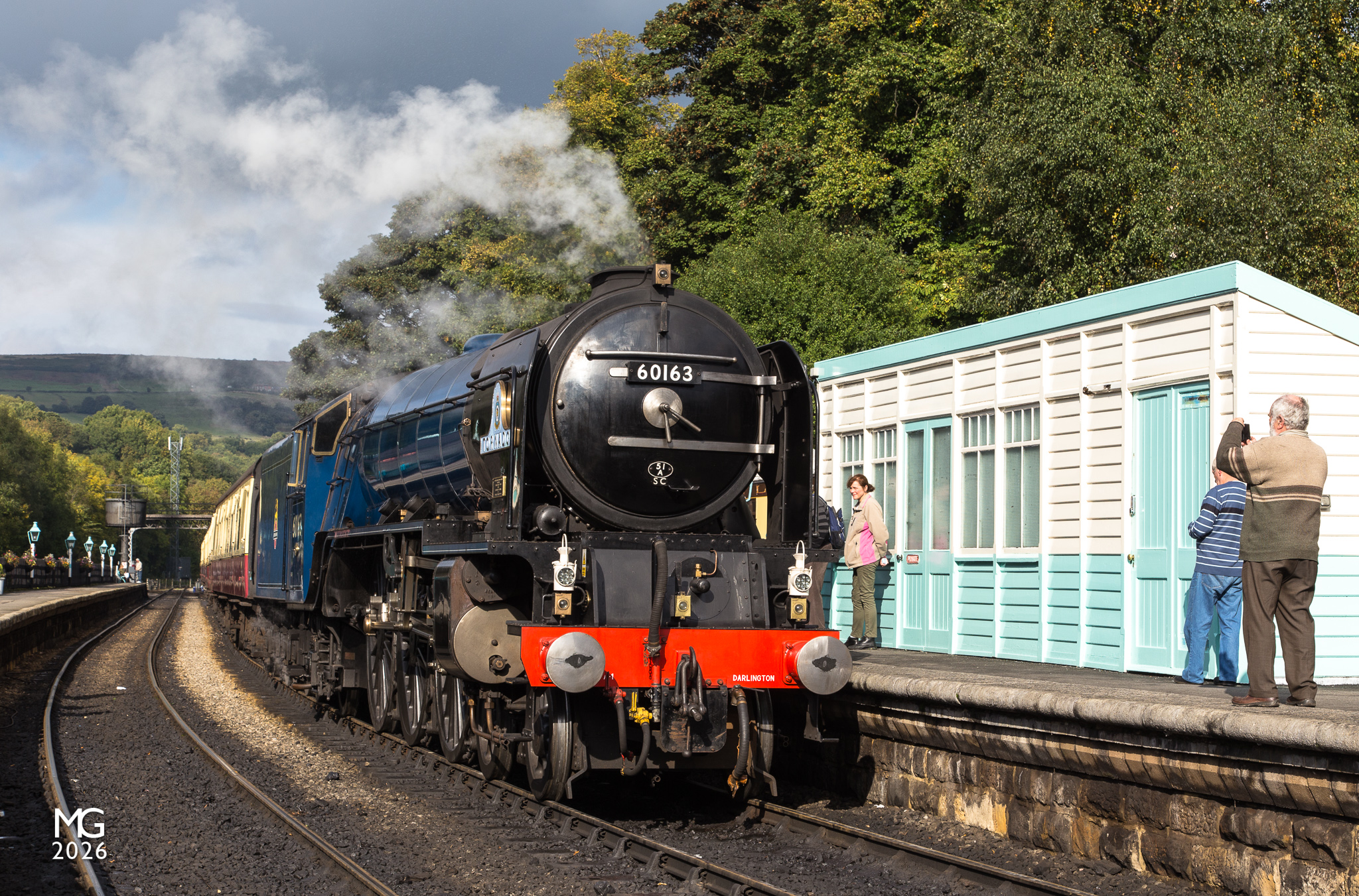
Ready to depart
Railfans get their photos in as A1 no. 60163 "Tornado" sits in the platform at Grosmont, ready to depart for Pickering.This was taken on day one of the North Yorkshire Moors Railway's LNER Weekend in early October 2013.